
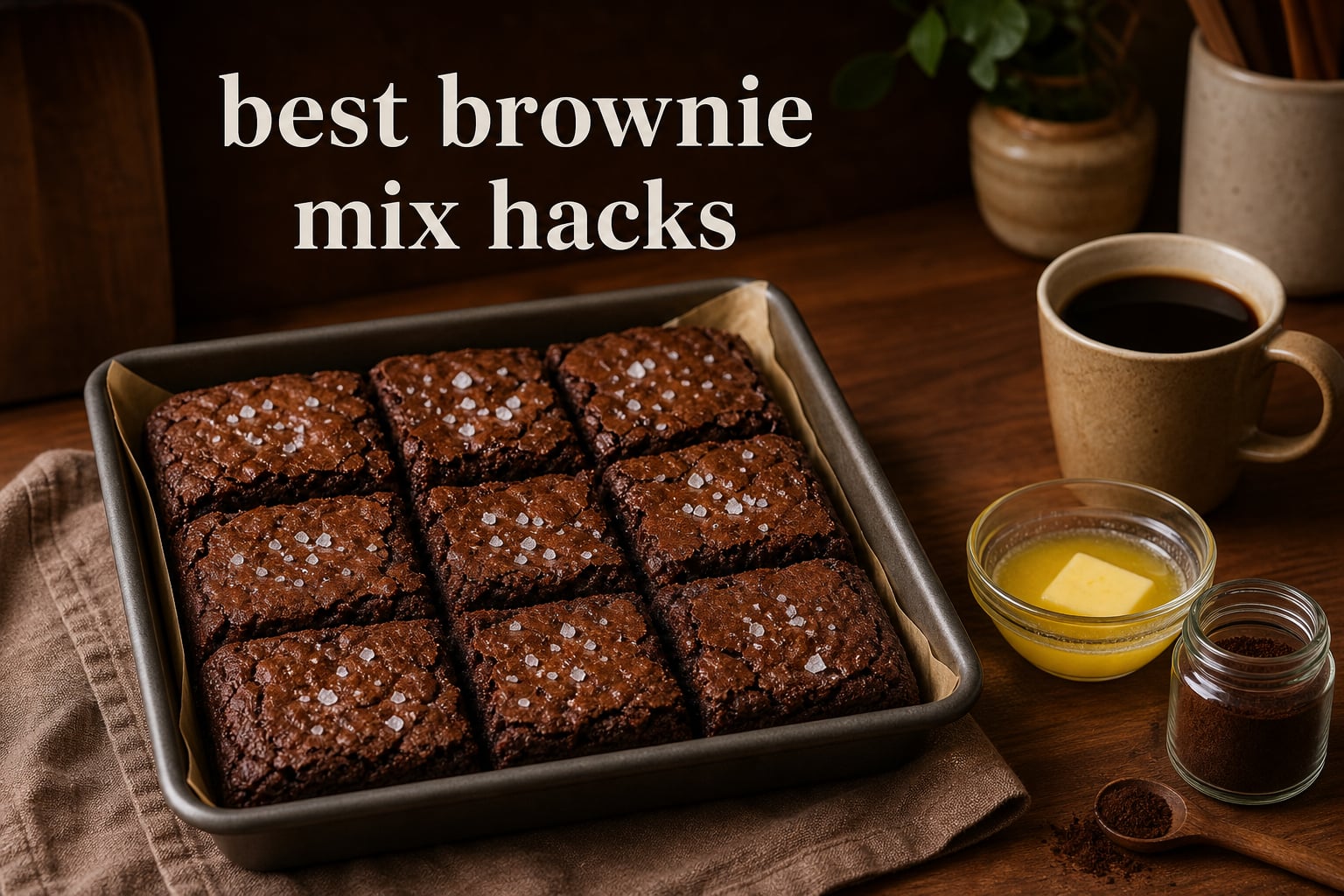
Boxed brownie mix is one of the greatest shortcuts in home baking, but straight out of the package it can taste flat, overly sweet, and nothing like the real thing. The good news is that a handful of simple ingredient swaps can completely transform a store-bought mix into rich, fudgy, bakery-quality brownies that taste like they came from a scratch recipe. After testing these techniques dozens of times in our kitchen, we put together this guide to the best brownie mix hacks so you can stop settling for ordinary boxed brownies.
We have spent months comparing different box mix brands, testing every popular hack from Reddit’s baking communities, and adjusting recipes until the results consistently fooled our taste testers into thinking the brownies were homemade. The swaps we share here are the ones that made the biggest, most repeatable difference.
None of these hacks require fancy equipment or hard-to-find ingredients. Most use things you already have in your pantry. Whether you are making a quick dessert for movie night, contributing to a potluck, or just want a better late-night treat, these brownie mix improvements will take your boxed mix from forgettable to unforgettable in 2026.
Table of Contents
The 6 Best Brownie Mix Hacks for Fudgy, Bakery-Quality Results
These six hacks form the core of every great doctored up brownie mix recipe. You can use all six together for the most dramatic upgrade, or pick and choose based on what you have on hand. Each one solves a specific weakness in standard boxed brownie mix.
1. Swap Oil for Melted Butter
This is the single most impactful change you can make to any box brownie mix. Melted unsalted butter delivers a richer, deeper flavor than the vegetable oil called for on the box, and it helps create that dense, chewy texture that makes brownies feel indulgent.
Use the same amount of melted butter the box recommends for oil. If the box calls for half a cup of oil, use half a cup of melted butter. Let the butter cool slightly after melting so it does not scramble the eggs or melt any chocolate chips you add later.
The difference is immediate and noticeable. Butter adds a creamy dairy note that rounds out the sweetness, while oil leaves behind a slightly greasy, one-dimensional taste. Once you try butter, you will never go back to oil for brownies.
2. Replace Water with Brewed Coffee
Swapping the water for strong brewed coffee is the second most powerful box brownie hack on this list. Coffee does not make the brownies taste like coffee. Instead, it amplifies and deepens the chocolate flavor, making the cocoa taste darker, richer, and more intense.
Use the same volume of coffee as the water called for on the box. Brewed drip coffee works great, and you can even use leftover morning coffee that has cooled to room temperature. If you are sensitive to caffeine, decaf coffee produces the exact same flavor boost.
This swap works because coffee and chocolate share many of the same flavor compounds. The roasted, bitter notes in coffee enhance those same notes in cocoa, tricking your palate into perceiving a more complex, satisfying chocolate experience.
3. Add Espresso Powder
If you want to push the chocolate flavor even further, add one teaspoon of instant espresso powder directly to the dry brownie mix before combining wet and dry ingredients. Espresso powder is more concentrated than brewed coffee, so a small amount goes a long way.
Like the coffee swap, espresso powder does not make your brownies taste like espresso. It simply intensifies the chocolate. Many professional bakeries add espresso or coffee to their chocolate recipes for exactly this reason, and the trick works just as well on boxed mixes.
You can use both the coffee swap and espresso powder together for maximum chocolate impact, or use espresso powder alone if you prefer to keep the liquid as water or milk. Either way, this is one of the easiest boxed brownie mix upgrades you can make.
4. Add an Extra Egg Yolk
Adding one extra egg yolk to your brownie batter is a simple way to make the finished brownies denser, richer, and more fudgy. The fat and lecithin in the yolk create a silkier crumb and help bind everything together for that satisfying chew.
Just separate one egg and add the yolk to the wet ingredients along with the whole eggs the box already calls for. Save the white for an omelette or meringue. The extra yolk adds moisture and fat without adding much volume, so your baking time stays roughly the same.
This is the go-to fix if your brownies keep coming out cakey instead of fudgy. The added fat suppresses gluten formation and keeps the texture dense and gooey, which is exactly what most people want from a brownie.
5. Stir in Pure Vanilla Extract
Adding one teaspoon of pure vanilla extract to the wet ingredients gives your brownies a warmer, more rounded flavor profile. Vanilla smooths out the harsh edges of artificial flavors that some boxed mixes contain, making the whole dessert taste more homemade.
Use pure vanilla extract rather than imitation vanilla for the best results. The difference is subtle but real, and since you are already upgrading the mix, it makes sense to use the good stuff here. Add the vanilla along with the eggs and other wet ingredients.
Vanilla works by enhancing the perception of sweetness and depth in baked goods. It does not add its own strong flavor at one teaspoon, but it makes every other ingredient taste more balanced and complete.
6. Finish with Flaky Sea Salt
Sprinkling flaky sea salt over the top of your brownies right after they come out of the oven is a finishing touch that separates good brownies from great ones. The salt cuts through the sweetness and makes the chocolate flavor pop in a way that plain brownies never achieve.
Use a light hand. You want a sparse sprinkle of large, flaky crystals like Maldon sea salt, not a heavy dusting. The flakes should sit on top of the brownies and deliver little bursts of saltiness as you eat, contrasting with the rich, sweet crumb underneath.
This is the same trick professional pastry chefs use on gourmet chocolate desserts, and it takes about five seconds to do. Once you try salt-topped brownies, you will understand why this has become one of the most recommended brownie hacks online.
The Science Behind These Brownie Hacks
Understanding why each hack works helps you adapt them to any recipe and troubleshoot when things go wrong. Here is the food science behind the most popular brownie mix improvements.
Butter vs Oil: Butter is about 80 percent fat and 16 to 18 percent water, while vegetable oil is 100 percent fat. That small amount of water in butter actually helps with steam production during baking, contributing to a slightly denser, chewier texture. Butter also contains milk solids that brown during baking, adding nutty, caramelized flavor notes that oil simply cannot provide.
Coffee and Chocolate: Coffee enhances chocolate through a well-known process called flavor pairing. Both coffee and chocolate contain hundreds of aromatic compounds, and many of them overlap. When you add coffee to chocolate, those shared compounds reinforce each other, making the chocolate taste more intense and complex without adding a distinct coffee flavor.
Why Egg Yolks Make Brownies Fudgy: The line between fudgy and cakey brownies comes down to fat and moisture. Cakey brownies have more structure from gluten and egg whites, while fudgy brownies have more fat interfering with that structure. Egg yolks are about 30 percent fat and rich in lecithin, an emulsifier that creates a smooth, dense texture. Adding an extra yolk tilts the balance toward fudgy.
How Salt Enhances Sweetness: Salt suppresses bitterness, which makes sweetness and other flavors taste more pronounced. This is why a pinch of salt makes chocolate taste more intensely chocolatey and why salted caramel has become so popular. The flaky salt on top of brownies provides contrast and intensity that plain sweet brownies lack.
None of this science requires a degree to apply. Once you know the principles, you can experiment with confidence and adjust recipes to match your personal taste preferences.
Step-by-Step: How to Doctor Up Box Brownie Mix
Here is the complete process for making doctored up brownie mix using all the hacks above. Follow these steps and you will get bakery-quality results every single time.
Step 1: Gather your ingredients. You need one box of brownie mix (Ghirardelli, Betty Crocker, or your preferred brand), melted unsalted butter to replace the oil, strong brewed coffee to replace the water, the eggs called for on the box plus one extra yolk, one teaspoon of instant espresso powder, one teaspoon of pure vanilla extract, and flaky sea salt for finishing.
Step 2: Preheat your oven to the temperature listed on the box, usually 350 degrees Fahrenheit. Line your baking pan with parchment paper, leaving overhang on two sides so you can lift the brownies out later for easy cutting.
Step 3: In a large bowl, whisk together the melted butter, brewed coffee, eggs, extra egg yolk, and vanilla extract until smooth and well combined. The mixture should be uniform with no streaks of egg.
Step 4: Add the dry brownie mix and espresso powder to the wet ingredients. Gently fold everything together using a spatula just until no dry powder remains visible. Stop mixing the moment the batter comes together. Overmixing develops gluten and makes brownies tough and cakey.
Step 5: Pour the batter into your prepared pan and spread it into an even layer with the spatula. Tap the pan gently on the counter a few times to release any large air bubbles.
Step 6: Bake according to the time on the box, but start checking about five minutes early. The edges should look set and slightly pulling away from the pan, while the center should still look just slightly underdone. Brownies continue cooking in the hot pan after you remove them.
Step 7: Remove from the oven and immediately sprinkle flaky sea salt over the top. Let the brownies cool completely in the pan before cutting. Patience here pays off, because warm brownies fall apart and look messy.
Best Mix-Ins for Boxed Brownie Mix Upgrades
Once you have mastered the core hacks, mix-ins are where you can really get creative. These add-ins work beautifully with any doctored up brownie mix and let you customize each batch.
Chocolate chips are the most popular addition and for good reason. Use a mix of semisweet and dark chocolate chips, or chop up a high-quality chocolate bar for even better texture. Fold in about half a cup before baking. The chips create pockets of melted chocolate throughout the brownies.
Chopped nuts add crunch and a toasty flavor that pairs perfectly with chocolate. Walnuts and pecans are the classic choices. Toast them in a dry skillet for a few minutes before adding to wake up their flavor. About half a cup is plenty for a standard 9 by 13 pan.
Peanut butter swirls take brownies to another level. Drop spoonfuls of peanut butter over the batter in the pan, then drag a knife through to create swirls. The peanut butter stays soft and gooey after baking.
Other favorites from the baking community include chopped candy bars, toffee bits, caramel drizzle, Oreo cookie crumbles, and even a layer of Nutella spread across the top. Add mix-ins sparingly so the brownie structure still holds together. A half cup total of add-ins per batch is a reliable guideline.
Choosing the Right Pan: Metal vs Glass
The pan you use has a bigger impact on your brownies than most people realize. Metal and glass conduct heat differently, which means the same batter will bake at different rates depending on your choice.
Baking Time by Pan Type
Metal pans conduct heat quickly and evenly, producing brownies with crisp edges and a soft, fudgy center. If the box recommends 28 minutes in a metal pan, trust that timing but start checking at 23 minutes to avoid overbaking.
Glass pans heat up more slowly but retain heat longer, which can lead to overbaked brownies if you follow the timing for metal. If you are using a glass pan, reduce the oven temperature by 25 degrees Fahrenheit and add about 5 minutes to the baking time, checking frequently toward the end. The slower, gentler heat of glass produces softer edges and a very fudgy texture.
Dark or nonstick metal pans absorb heat faster than light-colored pans, so they can cause the edges to burn before the center is done. If your pan is dark, reduce the oven temperature by 25 degrees to compensate.
The Parchment Paper Trick
Always line your pan with parchment paper, regardless of whether you use metal or glass. The parchment prevents sticking and lets you lift the entire slab of brownies out of the pan for clean, easy cutting. Just leave an overhang of paper on two opposite sides so you have handles to grab.
How to Tell When Brownies Are Done
Knowing when to pull brownies out of the oven is the most common challenge home bakers face. The classic toothpick test works differently for brownies than it does for cakes, and understanding the difference is key to perfect results.
For cakey brownies, a toothpick inserted into the center should come out clean or with just a few moist crumbs attached. For fudgy brownies, the toothpick should come out with moist crumbs and even a little wet batter clinging to it. If the toothpick comes out completely clean for fudgy brownies, they are overbaked.
The visual cues matter too. The edges should look set and slightly pulling away from the sides of the pan, while the top should have that classic shiny, crackled surface. The center should look just barely set, not wet and jiggly, but not fully firm either.
Remember that brownies continue to cook from residual heat in the pan after you remove them from the oven. It is almost always better to pull them out a minute or two early and let them finish setting up as they cool.
Troubleshooting Common Brownie Problems
Even with the best hacks, things can go wrong. Here are the most common brownie problems and exactly how to fix them, drawn from real questions posted in baking forums and our own testing experience.
Problem: Brownies are too cakey. The most likely cause is too much air beaten into the batter or too long of a baking time. Mix the batter gently and stop the moment it comes together. Pull the brownies from the oven when the center still looks slightly underdone. Adding an extra egg yolk and using butter instead of oil also pushes the texture toward fudgy.
Problem: Brownies are too dry and crumbly. Overbaking is the usual culprit here. Reduce the baking time by 3 to 5 minutes and check early. Using brewed coffee instead of water adds moisture, and the extra egg yolk helps retain it during baking. Let brownies cool completely before cutting, because warm brownies crumble easily.
Problem: Brownies fall apart when cutting. This usually means they were cut while still warm. Let them cool completely in the pan, ideally for at least two hours. For ultra-clean cuts, chill the brownies in the refrigerator first, then use a hot knife wiped clean between each cut.
Problem: Brownies do not taste homemade enough. If you are using just one or two hacks, add more. The combination of butter, coffee, espresso powder, vanilla, extra yolk, and flaky salt creates a cumulative effect that is far greater than any single swap. Also check your brand of brownie mix, since some have more artificial flavors than others.
Problem: Brownies sink in the middle. This can happen if you open the oven door too early or if the batter is overmixed and full of air. Resist the urge to check on the brownies for at least the first 20 minutes of baking, and fold the batter gently rather than beating it vigorously.
High-altitude note: If you live above 3,500 feet, you may need to make adjustments. Reduce sugar by one tablespoon, increase liquid by one tablespoon, and raise the oven temperature by 15 to 25 degrees. The lower air pressure at altitude causes baked goods to rise faster and lose moisture more quickly.
Storage and Freezing Instructions
Doctored up brownies store beautifully, and some people think they actually taste better the next day after the flavors have had time to meld. Knowing how to store them properly keeps them fresh for longer.
Room temperature: Store fully cooled brownies in an airtight container at room temperature for up to 4 days. Place a sheet of parchment paper between layers if you stack them. Do not refrigerate, because cold temperatures dry out the texture and make them dense and hard.
Freezing: Brownies freeze extremely well for up to 3 months. Cut them into individual squares, wrap each one tightly in plastic wrap, and place them in a freezer-safe bag. To serve, let them thaw at room temperature for about an hour, or warm them briefly in the microwave for a fresh-baked taste.
Make-ahead tip: You can prepare the batter the night before, store it covered in the refrigerator, and bake fresh the next day. Let the cold batter sit at room temperature for 20 minutes before baking, and add about 5 minutes to the baking time.
Pro Tips for Bakery-Quality Brownies
These are the smaller details that separate good brownies from truly memorable ones. Each one comes from professional baking techniques and real-world testing.
Do not overmix the batter. This is the number one rule for fudgy brownies. The more you stir, the more gluten develops, and gluten makes brownies tough and cakey. Fold gently with a spatula and stop as soon as no dry powder remains. A few small lumps are perfectly fine.
Use room-temperature ingredients. Cold eggs and cold coffee can cause the melted butter to solidify when you mix everything together, creating a grainy batter. Let your eggs sit out for 30 minutes and make sure the coffee has cooled to room temperature before combining.
Underbake slightly for maximum fudginess. Brownies set up significantly as they cool. If the center looks fully done in the oven, they will be overbaked by the time they reach room temperature. Pull them out when the center still looks just barely set.
Let them cool completely before cutting. This is the hardest part but the most important. Warm brownies are structurally weak and will tear and crumble no matter how careful you are. For picture-perfect squares, cool them fully, then chill for an hour before cutting with a hot knife.
Clean cuts with a hot knife: Dip a sharp knife in hot water, wipe it dry, and make your cut. Repeat between every single cut. The heat slightly melts the chocolate, creating clean, smooth edges that look professional.
Choose your box mix wisely. Not all boxed brownie mixes are created equal. Ghirardelli is widely regarded as the best-tasting base mix, with a higher cocoa content and better chocolate flavor than most competitors. Betty Crocker and Pillsbury also work well with these hacks. Whatever brand you choose, the hacks on this list will improve it significantly.
FAQs
How to make a boxed brownie mix even better?
The best way to upgrade a boxed brownie mix is to swap oil for melted butter, replace water with brewed coffee, add one teaspoon of espresso powder, stir in an extra egg yolk, add vanilla extract, and finish with flaky sea salt. These six hacks transform a basic mix into rich, fudgy, bakery-quality brownies.
How can I jazz up a brownie mix?
Jazz up brownie mix by folding in chocolate chips, chopped nuts, peanut butter swirls, caramel drizzle, or crushed cookies before baking. Finish with flaky sea salt on top. Using melted butter instead of oil and brewed coffee instead of water also dramatically improves the flavor.
How to doctor up Betty Crocker brownie mix?
Doctor up Betty Crocker brownie mix by replacing the oil with an equal amount of melted butter, swapping the water for strong brewed coffee, adding one teaspoon of espresso powder and one teaspoon of vanilla extract, and adding an extra egg yolk for fudgier texture. Bake as directed on the box, checking a few minutes early.
What is the secret to good brownies?
The secret to good brownies is avoiding overmixing and overbaking. Fold the batter gently to prevent gluten development, which makes brownies tough and cakey. Pull brownies from the oven when the center still looks slightly underdone, because they continue cooking in the hot pan as they cool. Using melted butter and an extra egg yolk creates the richest, fudgiest texture.
Can I use milk instead of water in brownie mix?
Yes, replacing water with milk makes brownies richer and slightly creamier. However, brewed coffee produces an even bigger flavor boost by enhancing the chocolate. If you want maximum richness, use milk in combination with espresso powder, or use coffee for the best chocolate intensity.
Why does coffee make chocolate taste better?
Coffee enhances chocolate because both ingredients share many of the same flavor compounds. Adding coffee to chocolate brownies amplifies the roasted, bitter notes in cocoa, making the chocolate taste darker, richer, and more complex without adding a noticeable coffee flavor.
Final Thoughts on the Best Brownie Mix Hacks
The best brownie mix hacks all come down to a few simple principles: add fat for richness, add coffee for chocolate depth, add salt for contrast, and never overbake. Once you understand those ideas, you can adapt any boxed mix into something that rivals a from-scratch recipe.
We have tested these techniques across multiple brands and dozens of batches, and the results are consistently impressive. The next time you reach for a box of brownie mix, try all six hacks together and taste the difference for yourself. Your friends and family will never guess you started with a box.