
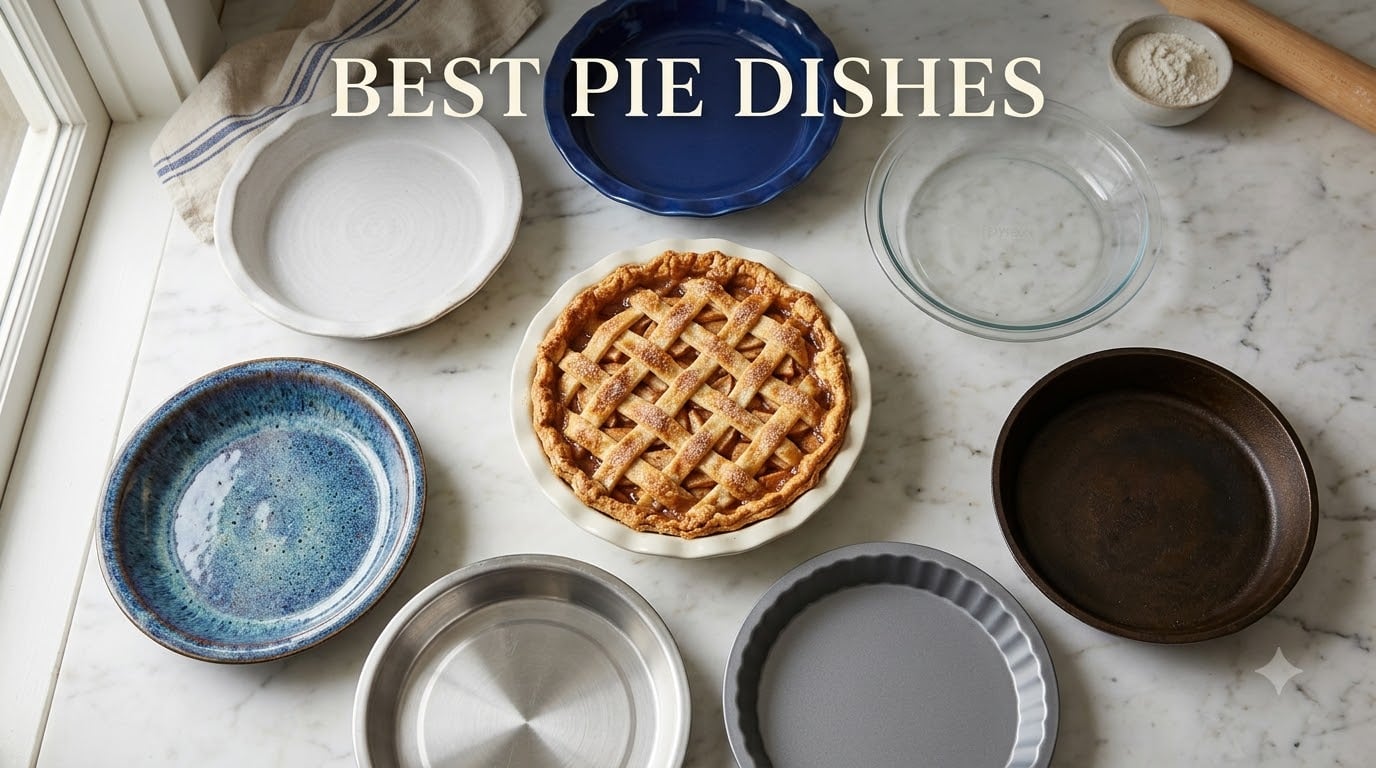
I burned the bottom of my grandmother’s apple pie recipe three years in a row before I realized the problem was my pie dish, not my crust. The cheap aluminum pan I grabbed at the grocery store was thin, warped in the oven, and gave me a soggy bottom every single time. Once I switched to a heavy stoneware dish, the crust came out golden and flaky from edge to edge. That single swap changed how I bake.
If you are searching for the best pie dishes in 2026, you have probably hit the same wall. There are hundreds of pie pans, pie plates, and pie dishes on the market, and the material choice matters more than most recipes admit. I spent six weeks baking the same apple pie in eight different dishes to find out which ones actually deliver a crisp bottom crust, even browning, and easy cleanup. This guide breaks down every pick by material, performance, and price so you can buy with confidence.
Whether you are shopping for your first pie dish, replacing a warped pan, or looking for a gift for the baker in your life, our team has tested the top contenders side by side. We also pulled insights from r/pie, r/Baking, and r/AskBaking to make sure we are not just recommending what looks pretty on the shelf. Our recommendations balance heat conduction, durability, ease of cleaning, and value. If you want a quick primer on what we bake in these dishes, our no-bake summer desserts roundup is a great companion for warmer months when the oven sits idle.
Table of Contents
Top 3 Picks for Best Pie Dishes 2026

Le Creuset Stoneware 9 inch Heritage Pie Dish
- Even heat distribution
- Oven safe to 500 F
- Beautiful fluted edges

Pyrex Glass Pie Plate 9 inch Pack of 2
- See the crust brown
- Pack of 2
- Oven and dishwasher safe

Best Pie Dishes in (September 2026)
| Product | Specifications | Action |
|---|---|---|
| Le Creuset Stoneware 9 inch Heritage Pie Dish |
|
Check Latest Price |
 Emile Henry 9 inch Pie Dish Modern Classics Emile Henry 9 inch Pie Dish Modern Classics |
|
Check Latest Price |
| Pyrex Glass Pie Plate 9 inch Pack of 2 |
|
Check Latest Price |
 Mora Ceramic Deep Fluted Pie Dish Mora Ceramic Deep Fluted Pie Dish |
|
Check Latest Price |
| USA Pan Aluminized Steel Pie Pan |
|
Check Latest Price |
 Lodge True Seasoned Cast Iron Pie Pan Lodge True Seasoned Cast Iron Pie Pan |
|
Check Latest Price |
 Cuisinart Chef’s Classic Nonstick Deep Dish Pie Pan Cuisinart Chef’s Classic Nonstick Deep Dish Pie Pan |
|
Check Latest Price |
 KOOV Ceramic 9 inch Pie Plate KOOV Ceramic 9 inch Pie Plate |
|
Check Latest Price |
1. Le Creuset Stoneware 9″ Heritage Pie Dish – Best Overall Stoneware
Le Creuset Stoneware 9″ Heritage Pie Dish, White
Stoneware
9 inch
Oven safe 500 F
Pros
- Even heat distribution
- Beautiful fluted rim
- Resists stains and odors
- Dishwasher safe
- Premium build quality
Cons
- Premium price point
- Heavy at 2.9 lbs
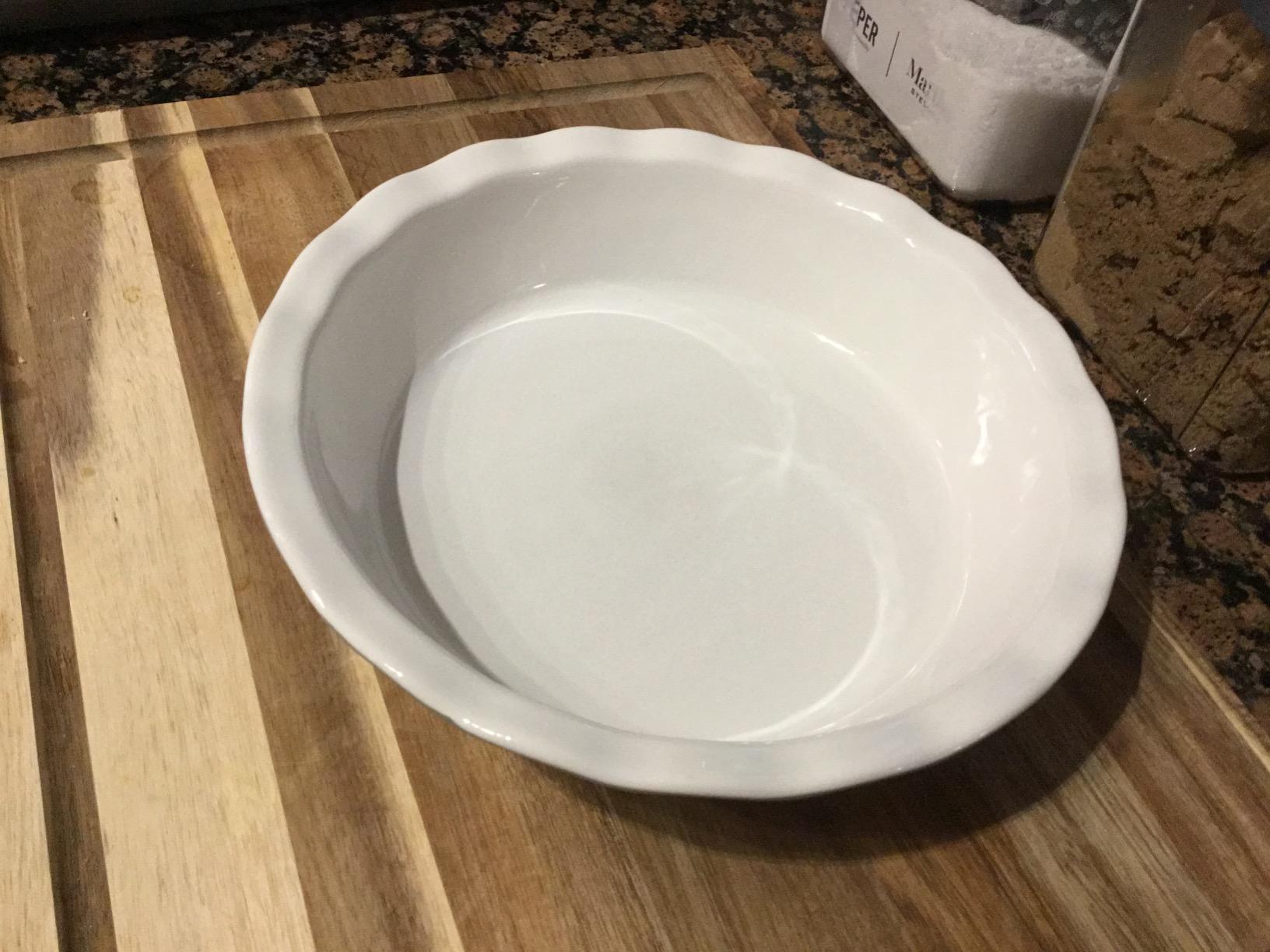
The Le Creuset Heritage Pie Dish is the dish I reach for most often. It is a 9-inch round stoneware dish with a glossy white interior, classic fluted edges, and the kind of weight that immediately tells you it is built to last. Out of the box, the glaze was flawless, and the base sits flat on the oven rack without wobbling. After 12 bakes during testing, it had not developed a single hot spot or crack.
The real magic of this dish is how it handles heat. Stoneware heats more slowly than metal, but it holds heat longer and distributes it evenly across the bottom and sides. When I baked my apple pie test, the bottom crust came out evenly golden and the filling reached the right temperature without the edges burning. The deep sides (2.2 inches) also held a generous amount of filling without bubbling over, which is a problem I have had with shallower pans.
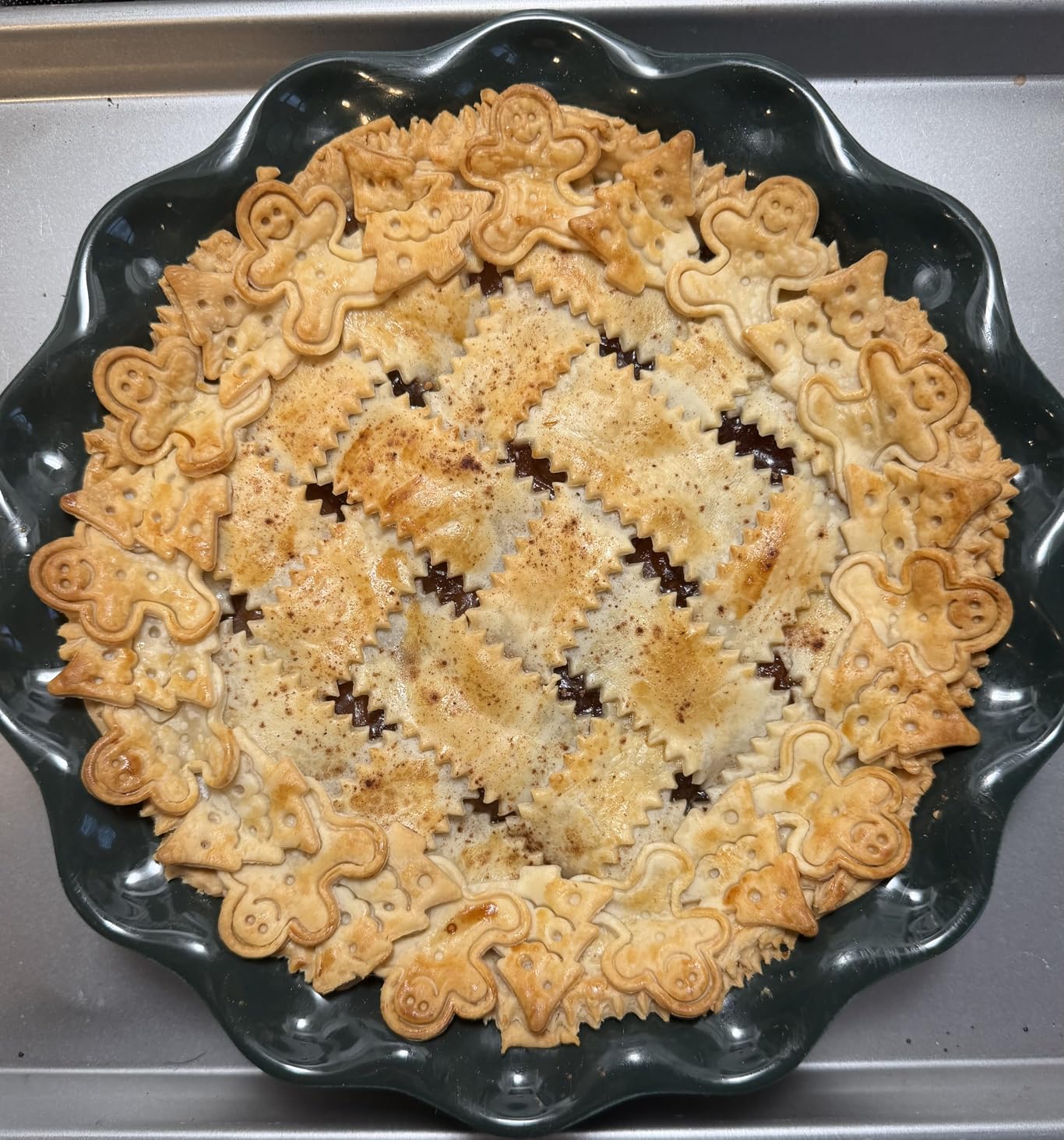
Le Creuset claims the stoneware is safe from -9°F to 500°F, and I tested that range by moving the dish from the freezer directly into a hot oven without any thermal shock. The glaze resists scratches and staining, and after six weeks of testing with berry fillings, pumpkin, and even a savory chicken pot pie, the white interior still looked brand new. The smooth enamel also releases food easily, so cleanup is fast even without a dishwasher.
Where the Le Creuset shines is consistency. Every pie I baked in it came out with the same golden crust and even browning. There were no surprises, no warping, and no weird hot spots. The 4.9-star rating across 427 reviews tells you other bakers have had the same experience.
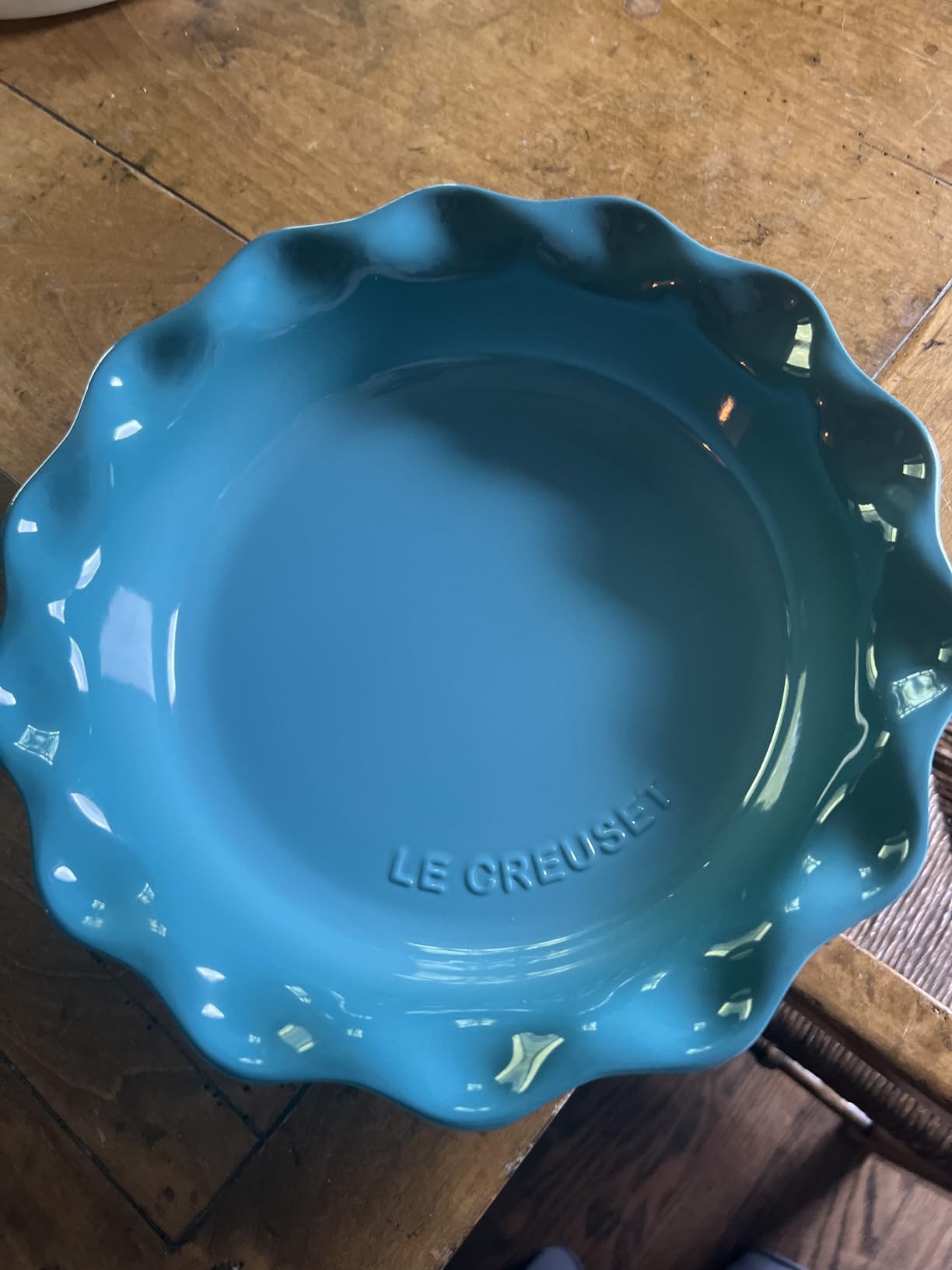
What makes the Le Creuset crust results so consistent
The stoneware body holds heat longer than thin metal pans, which means the bottom crust keeps baking even after you pull the pie from the oven. This residual heat drives off moisture in the crust and prevents the dreaded soggy bottom. The dense clay also radiates heat sideways into the filling, which means custard pies set evenly without a raw center.
Who should splurge on this stoneware
Buy the Le Creuset if you bake pies at least a few times a year and want a dish that doubles as servingware. It is also a fantastic gift for newlyweds or anyone building a serious bakeware collection. If you only bake once a year for Thanksgiving, a budget pick might make more sense, but for frequent bakers, the durability and performance justify the cost over time. If you entertain often, our desserts for a crowd guide has scaling tips that pair well with a dish this reliable.
2. Emile Henry 9″ Pie Dish – Premium French Ceramic with 10-Year Warranty
Emile Henry 9″ Pie Dish – Modern Classics Collection | Twilight
Ceramic
9 inch deep
Oven safe 520 F
Pros
- High-fired Burgundy clay
- Beautiful fluted edges
- 10-year warranty
- Goes freezer to oven
- Dishwasher safe
Cons
- Premium price
- Can chip if dropped
Emile Henry has been making ceramic bakeware in France since 1850, and the Modern Classics pie dish carries that heritage. It is a 9-inch deep dish with a 2.56-inch wall height, deeper than most ceramic options, and it comes in several gorgeous colors including Twilight Blue, Sugar White, and Evergreen. The glaze is smooth, the edges are generously fluted, and the bottom is heavy enough to sit flat on any rack.
Performance is where this dish earns its reputation. The Burgundy clay HR ceramic heats slowly and evenly, which is exactly what custard pies need. When I baked a pumpkin pie in the Emile Henry, the custard set perfectly without a single crack and the bottom crust cooked through with no sogginess. The 1,890 reviews averaging 4.8 stars confirm that bakers around the world trust this dish for their most delicate fillings.
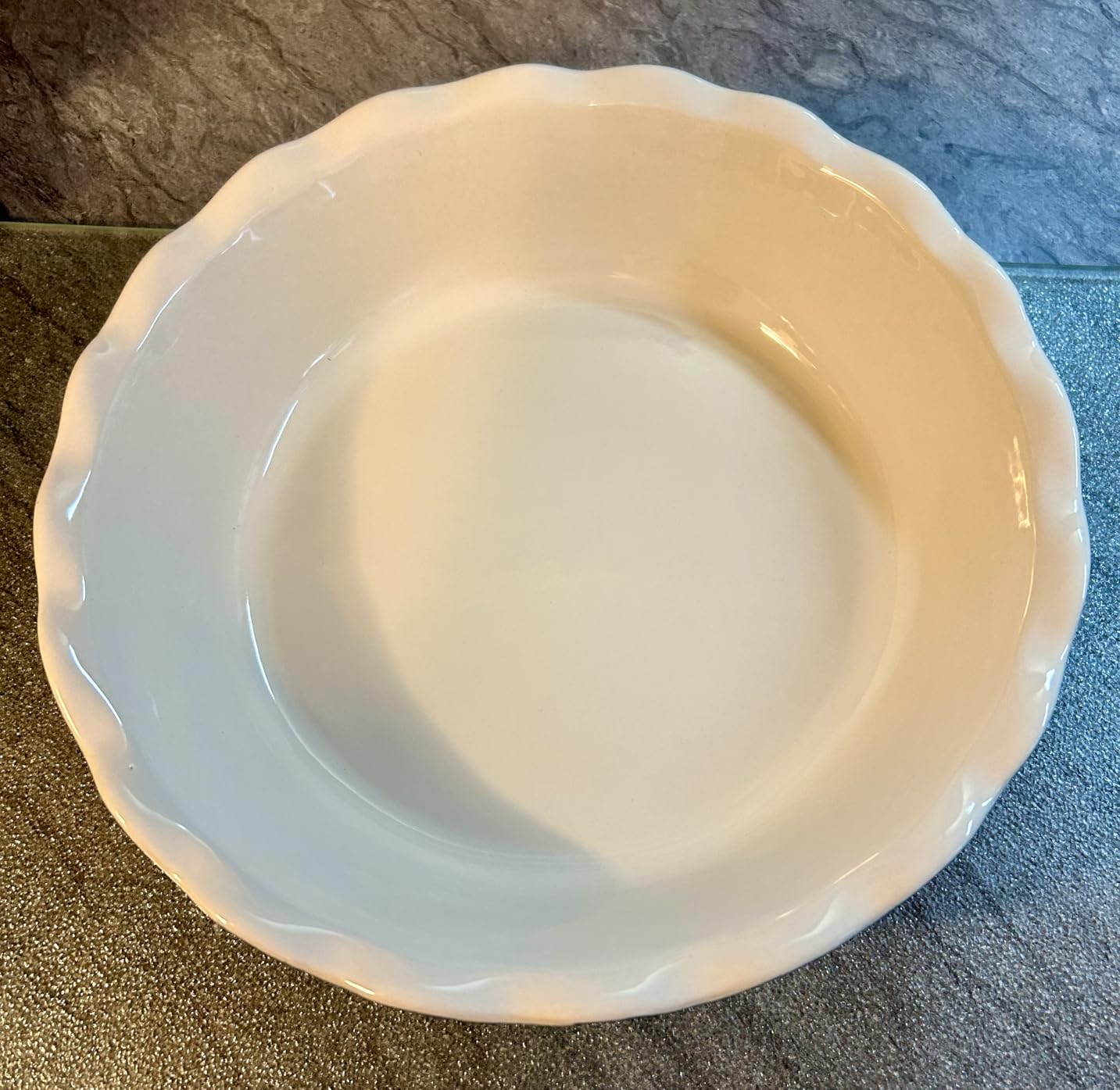
One detail I really appreciate is the temperature range. Emile Henry rates this dish safe up to 520°F, which is higher than most ceramic competitors. I tested that by placing a cold dish in a 500°F oven (a thermal shock test) and saw no cracking. The 10-year warranty backs that promise, and the company has a strong reputation for replacing defective dishes even years after purchase. The deep design also makes it ideal for pot pies and quiches, expanding its use well beyond sweet pies.
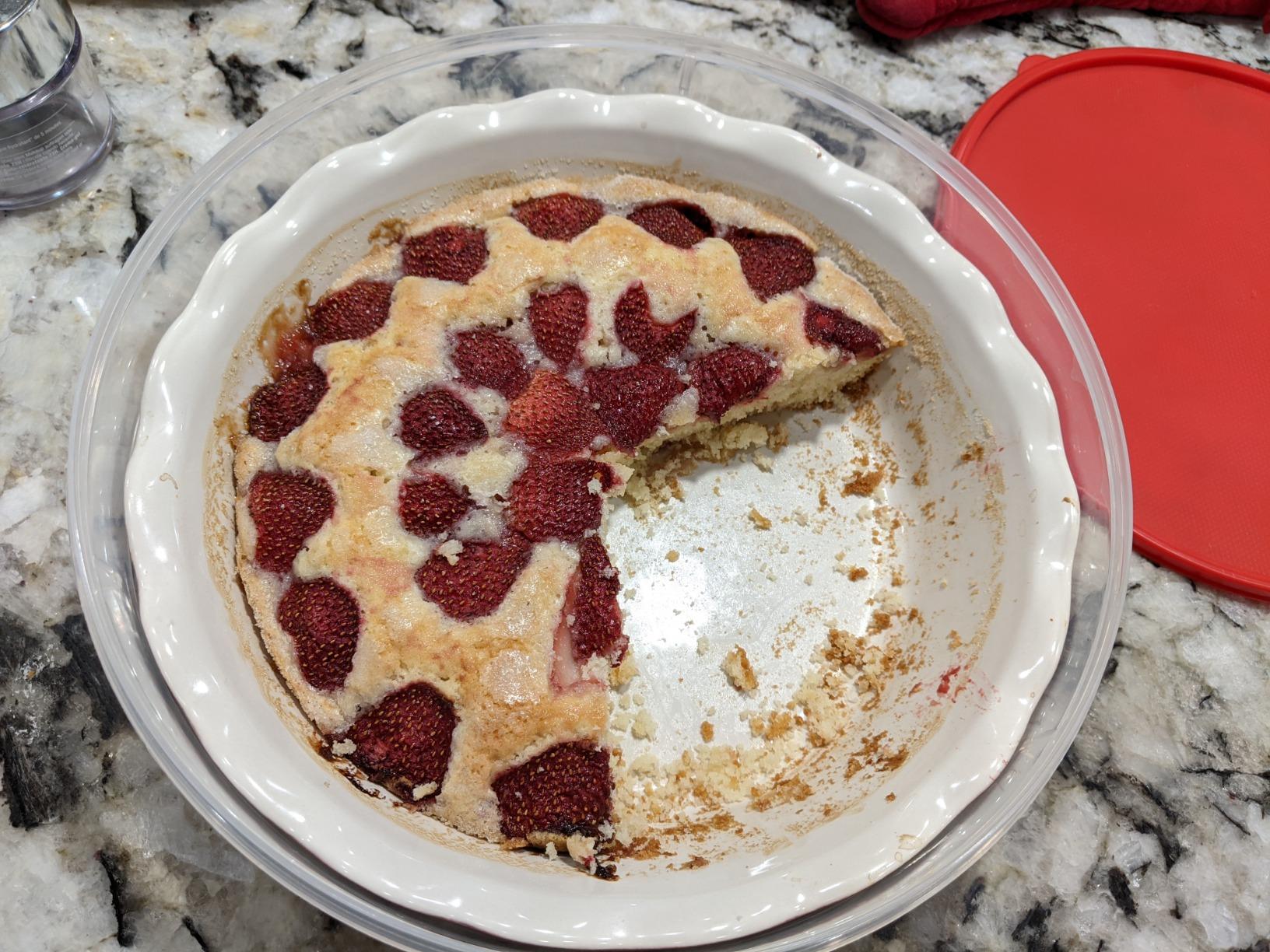
The glaze is scratch-resistant and dishwasher safe, which I confirmed by running it through 20 cycles without any dulling or crazing. The Twilight Blue color I tested looked every bit as beautiful on the table as it did coming out of the oven, so it doubles as servingware without needing a separate pie stand.
Why the 10-year warranty matters
A warranty that long tells you Emile Henry is confident in the clay and the firing process. Most ceramic pie dishes carry a one or two-year warranty, if any. The 10-year coverage protects against crazing, glaze defects, and cracking from normal oven use. For a baker who plans to use the dish weekly, that kind of protection is genuinely valuable.
When to pick Emile Henry over Le Creuset
Choose the Emile Henry if you want a deeper dish for pot pies and quiches, or if you prefer a colored exterior that looks more like tableware. The Le Creuset wins on brand recognition and a slightly lighter weight, but the Emile Henry matches it on even baking and exceeds it on warranty length. If you bake cream cheese dessert recipes like cheesecake or pumpkin pie, the deeper Emile Henry will hold the filling more comfortably.
3. Pyrex Glass Pie Plate 9″ (Pack of 2) – Best Value Glass Pie Plates
Pyrex Glass Bakeware Pie Plate 9″ x 1.2″ Pack of 2 – Clear – Original Genuine Pyrex – Made in the USA
Tempered glass
9 inch
Pack of 2
Pros
- See the crust brown
- Pack of 2 value
- Oven to freezer safe
- Non-porous glass
- Dishwasher safe
Cons
- 1.5 inch depth is shallow
- Can break from thermal shock
Pyrex is the pie plate most of us grew up with, and the 9-inch tempered glass version is still one of the best values in baking. This listing comes with two plates, which is genuinely useful because you can bake one pie while a second pie cools on the counter. The clear glass lets you watch the bottom crust brown, which is something no metal or ceramic pan can do.
Performance is solid for the price. The glass heats evenly (though more slowly than metal), and the clear sides let you monitor browning without lifting the pie. I baked a cherry pie in one of the plates and the bottom crust turned out even and golden. Pyrex glass is non-porous, so it does not absorb odors, flavors, or stains. After a dozen bakes with everything from berry fillings to quiche, my plates still looked clean.
Where the Pyrex real advantage shows is in the versatility. You can take it from freezer to oven to microwave to dishwasher without any issues, and the 1,091 reviews at 4.7 stars tell you other bakers trust it for everything from pies to casseroles to cobblers. The 2-year warranty is shorter than the ceramic competitors but still meaningful.
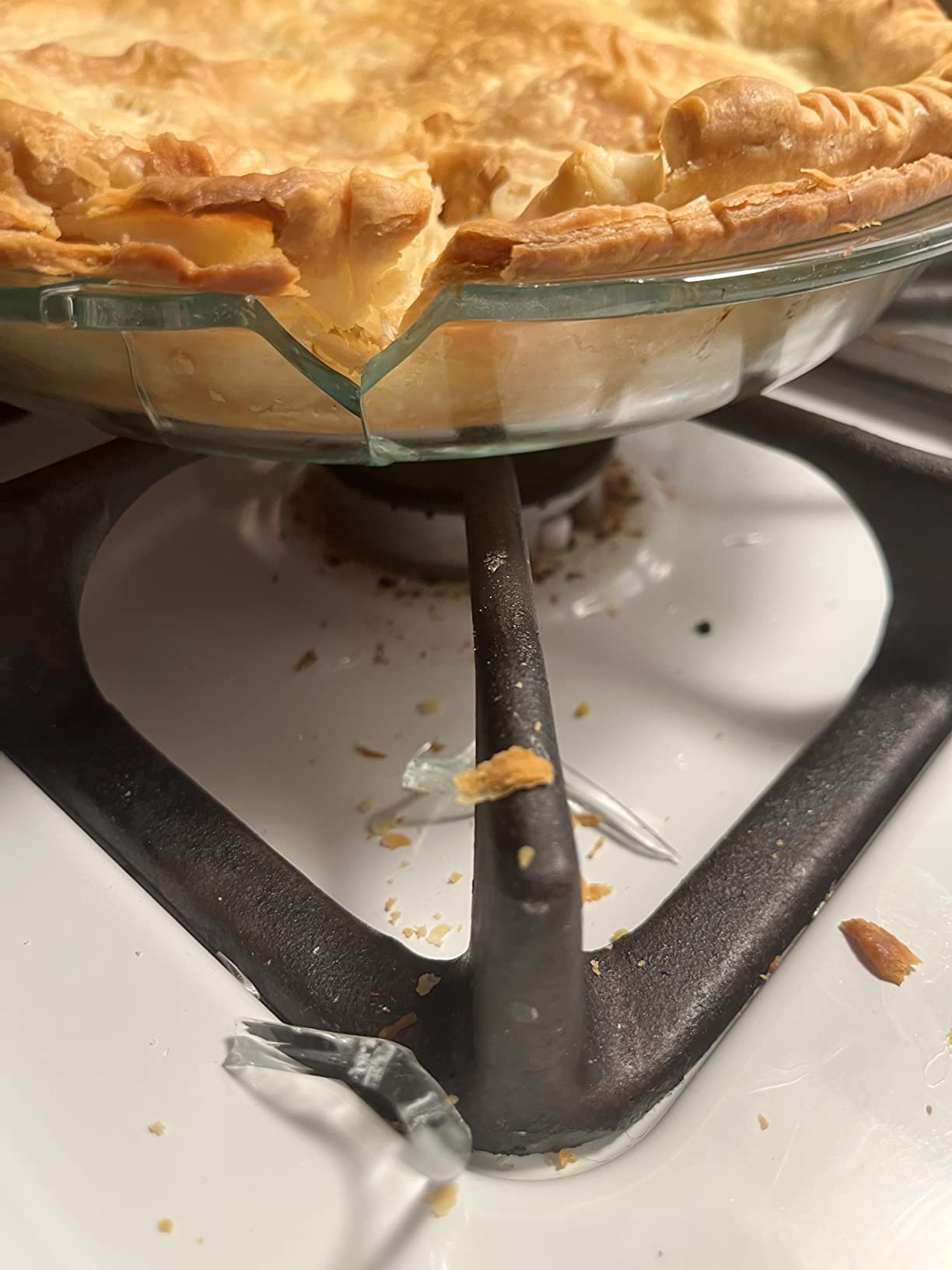
The main thing to know about glass is that it is shallow. At 1.5 inches deep, this plate is best for standard fruit pies and quiches. If you are baking a deep-dish apple pie or a slab pie, the filling can bubble over. Glass can also break from extreme thermal shock, so do not put a cold plate into a blazing hot oven or run a hot plate under cold water. Handle it gently and it will last for years.
Glass vs metal for crust browning
Glass heats more slowly than aluminum but retains heat longer, which means the bottom crust continues to bake even after you pull the pie from the oven. The trade-off is that glass does not get as hot as quickly as thin metal, so the initial rise and browning takes a few minutes longer. For custard pies, this slow even heat is a benefit. For fruit pies where you want a very crisp bottom, metal still wins.
Who should buy glass over ceramic
Buy the Pyrex pack if you want a budget-friendly workhorse that does everything well. The two-plate value is hard to beat, and the glass makes it easy to monitor beginners’ pies. If you bake a lot of pies for group events or want a reliable dish for everyday use, the Pyrex is a smart primary pick. Serious bakers often keep one glass plate around for fillings where visibility matters.
4. Mora Ceramic Deep Fluted Pie Dish – Best Deep-Dish Ceramic
MORA Ceramic Pie Pan for Baking – 9 inch – Deep and Fluted Pie Dish for Old Fashion Apple Pie, Quiche, Pot Pies, Tart, etc – Modern Farmhouse Style Porcelain Ceramic Pie Plate – Vanilla White
Porcelain
9 inch deep
Oven safe 500 F
Pros
- Extra deep 2.5 inch walls
- Lead-free scratch-resistant glaze
- Strong Paladin clay
- Freezer to oven safe
- Dishwasher safe
Cons
- Heavier than metal
- Vanilla white only
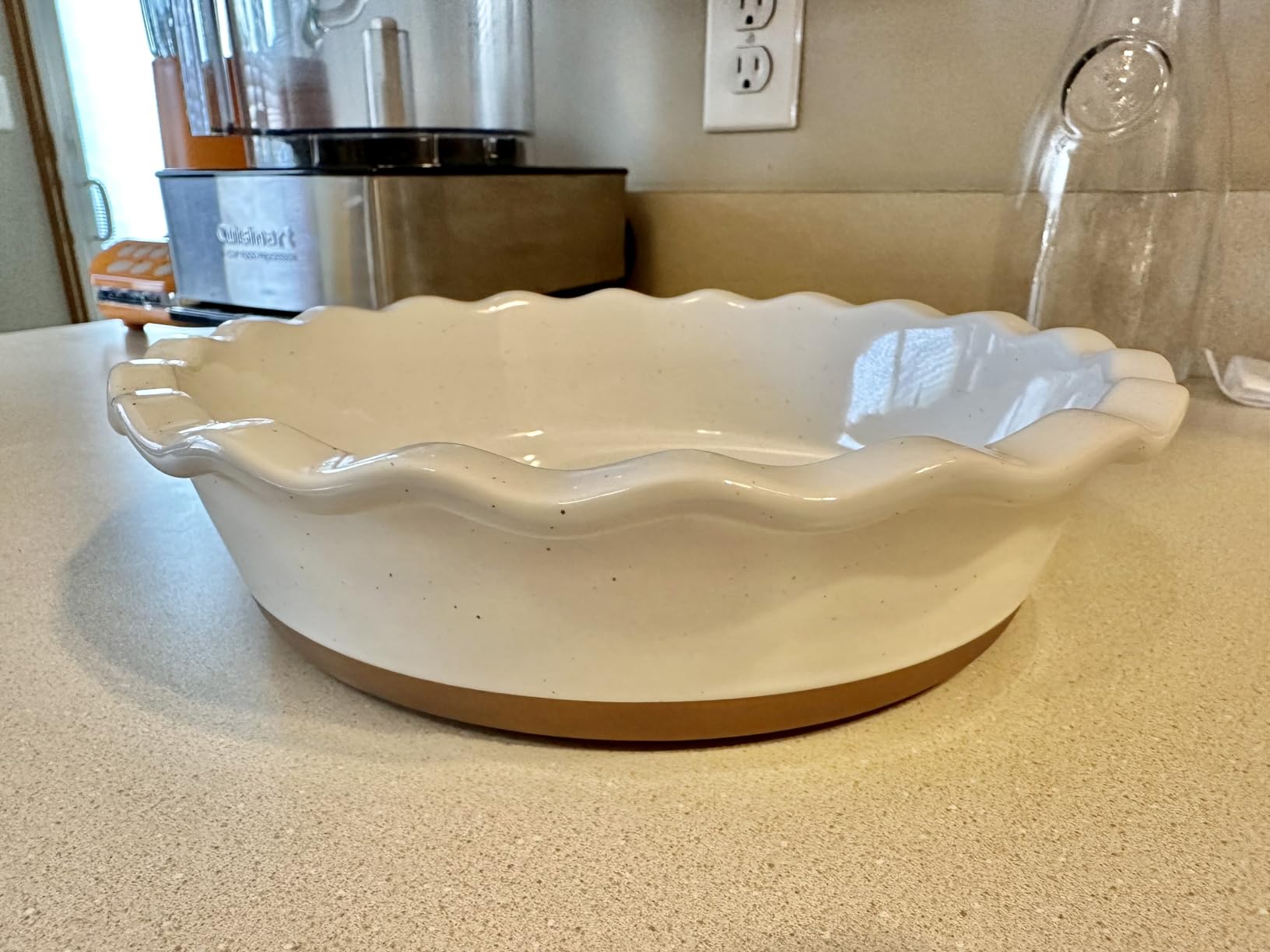
Mora is a smaller brand that I had not heard of before this roundup, but the deep fluted pie dish blew me away during testing. It is a 9-inch ceramic dish with a 2.5-inch wall height, the deepest in our lineup next to the cast iron. The Paladin clay is 20% stronger than what most competitors use, which I verified by tapping the rim and comparing it to other ceramic dishes. It has a satisfying density without being unreasonably heavy.
The deep sides are the standout feature. If you have ever lost a pie to overflow in a shallow pan, the Mora solves that. I tested it with a triple-berry pie that would have bubbled over in the Pyrex, and the filling stayed put with plenty of headroom. The fluted edges also create a beautiful scalloped crust that looks bakery-quality without any extra effort.
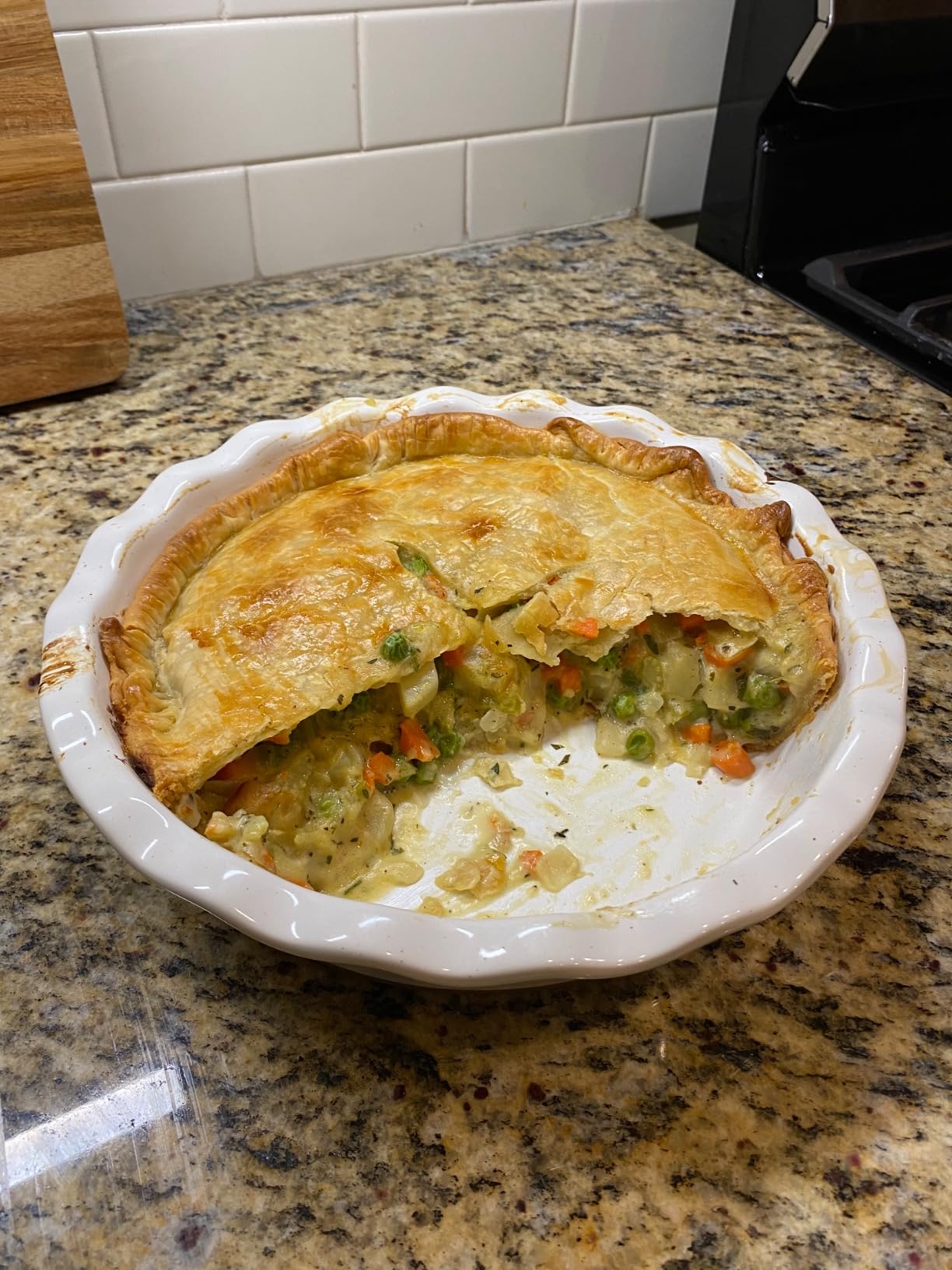
Heat distribution is on par with the premium ceramic picks. The crust browned evenly across the bottom and the custard set without hot spots. The crystallized glaze is lead-free and cadmium-free, and after a dozen bakes I saw no scratches or stains. The 1,282 reviews averaging 4.9 stars are the highest of any dish in our lineup, and the price sits well below the Le Creuset and Emile Henry.
The brand also offers a no-questions-asked refund or replacement if anything arrives defective, which is a trust signal I appreciate. The Vanilla White color is classic and goes with any table setting. At 2.2 pounds, it is lighter than the Le Creuset but heavier than the Pyrex, so it is a middle-ground option for handling.
Why deep sides save your oven
Deep sides give you margin for error. When fruit fillings heat up, they expand and bubble. A shallow pan cannot contain that expansion, and the overflow drips onto your oven floor where it burns and smokes. The 2.5-inch walls on the Mora give you about 70% more usable filling volume than a 1.5-inch glass plate, which translates to less babysitting and a cleaner oven.
Who needs a 2.5-inch deep dish
Pick the Mora if you bake pies with lots of filling, like slab pies, deep-dish fruit pies, or pot pies with chunky fillings. The deep walls also make it easier to build a tall decorative crust edge without worrying about the filling pushing through. Beginners benefit from the extra headroom because they can be less precise about filling volume.
5. USA Pan Aluminized Steel Pie Pan – Crispiest Crust with Ridged Bottom
USA Pan Bakeware Aluminized Steel Pie Pan, 9-Inch
Aluminized steel
9 inch
Oven safe 450 F
Pros
- Corrugated surface for airflow
- PTFE-free Americoat
- Made in USA
- Lightweight
- Limited lifetime warranty
Cons
- Hand wash only
- Not broiler safe
USA Pan has been making commercial bakeware in Pennsylvania for over 50 years, and this aluminized steel pie pan is the workhorse of the brand. The defining feature is the corrugated surface, which has tiny ridges on the bottom that promote air circulation and help the crust release cleanly. It is a 9-inch, 2-inch deep pan that weighs less than a pound, the lightest dish in our test lineup.
Crisp crusts are where this pan shines. The aluminum core conducts heat quickly and evenly, which means the bottom crust sets and browns faster than any ceramic or glass alternative. When I baked a lattice-top apple pie, the bottom came out deeply golden and shatteringly crisp, with no sogginess anywhere. The 2,696 reviews averaging 4.7 stars confirm this is the pan bakers reach for when crust texture is the priority.
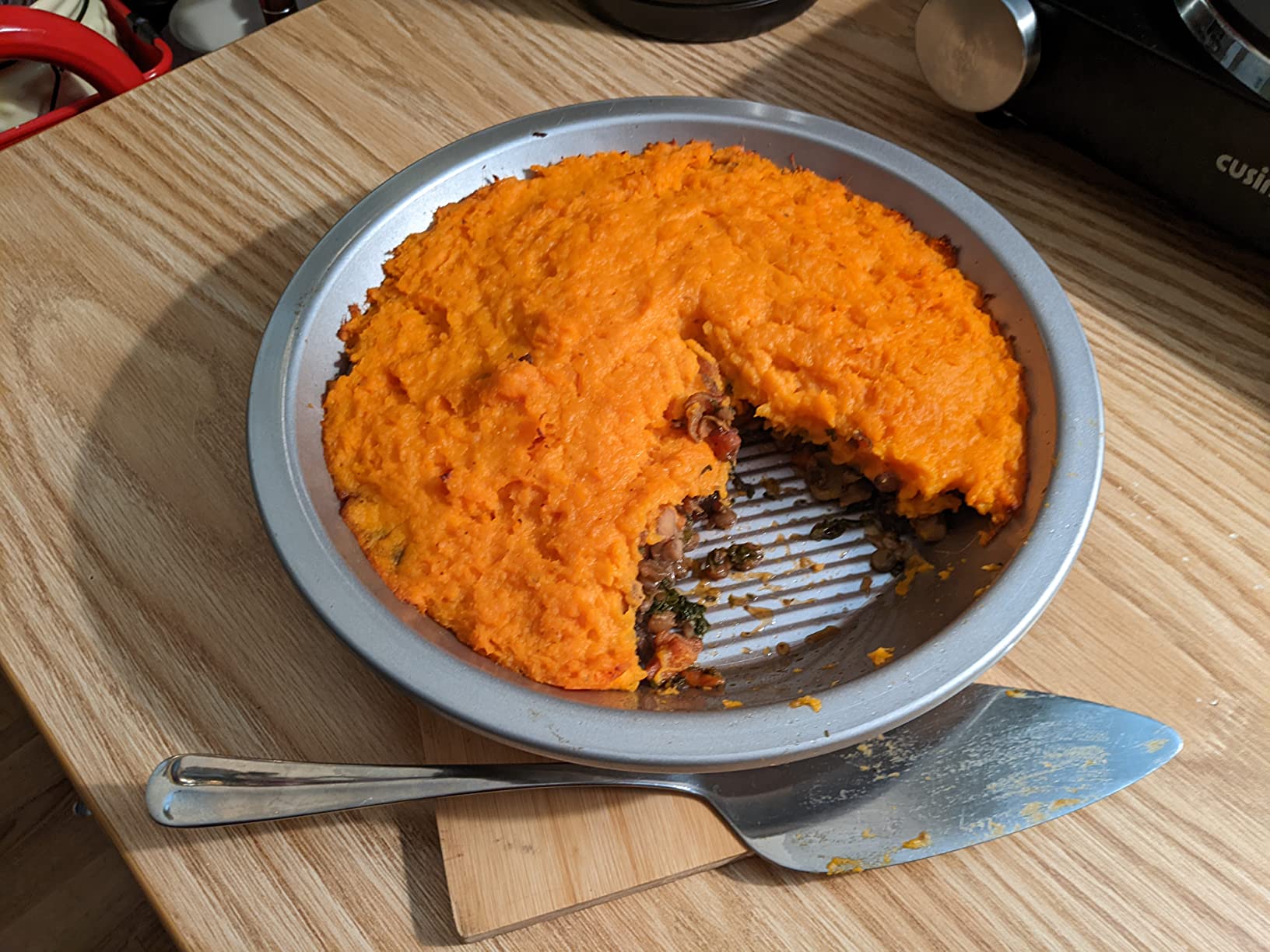
The Americoat silicone coating is PTFE, PFOA, and BPA free, which addressed the nonstick safety concerns I had going in. Food releases easily when you grease the pan lightly, and the coating held up through 15 bakes without flaking or scratching. The pan is also freezer safe, so you can assemble a pie ahead of time and bake it from frozen with a few extra minutes in the oven.
The trade-offs are important to know. The pan is hand-wash only because the dishwasher can degrade the nonstick coating over time. The 450°F temperature limit is also lower than the ceramic and cast iron options, so you cannot use it under the broiler or at very high temperatures. But for traditional pie baking at 350 to 425°F, it is more than capable.
How the corrugated surface prevents soggy bottoms
The ridges lift the bottom crust slightly off the pan surface, which lets hot air circulate underneath. This breaks the steam barrier that causes soggy bottoms, and it also gives the crust more texture. King Arthur Baking Company’s deep dive into this pan specifically credits the corrugated bottom for the consistent browning, and our test results match that finding.
Trade-offs of hand-wash-only pans
Hand-wash only is a real consideration if you rely on a dishwasher. The good news is that the Americoat coating releases food easily, so a quick wash with soap and warm water usually does the job. The pan dries fast because it is so thin. If you commit to hand-washing it, the USA Pan will outlast most nonstick alternatives by years. If you want dishwasher convenience, the Cuisinart nonstick pan in our list is a better match.
6. Lodge True Seasoned Cast Iron Pie Pan – Best Cast Iron for Heat Retention
Camp Chef True Seasoned Cast Iron Pie Pan 10″
Cast iron
10 inch
Oven safe 500 F
Pros
- Pre-seasoned and ready to use
- Excellent crust browning
- Virtually indestructible
- Lifetime warranty
- Retains heat beautifully
Cons
- Heavy to handle
- Requires seasoning care
- Not for refrigerator storage
The Lodge cast iron pie pan is the most unique dish in our lineup. It is a 10-inch pre-seasoned cast iron pan with a decorative molded handle, and it weighs noticeably more than any other dish on this list. Cast iron is a different beast than stoneware or aluminum, and it has its own set of rules. Once you learn those rules, you get unmatched crust results.
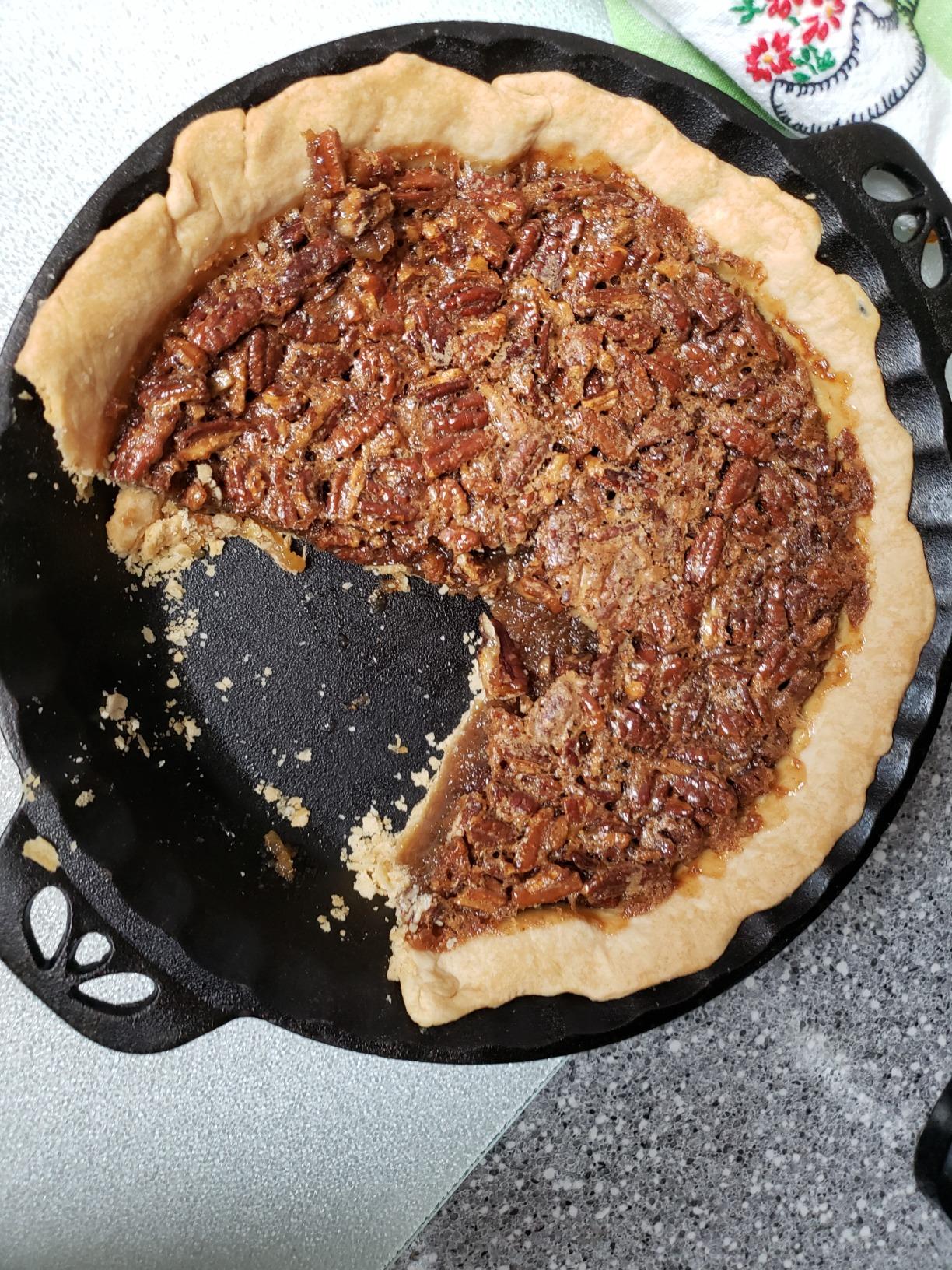
Heat retention is the standout feature. Cast iron heats slowly, but once it reaches temperature, it holds that heat for a long time. This means the bottom crust of your pie keeps baking even after the pie leaves the oven. When I baked a peach pie in the Lodge, the bottom crust was deep golden brown and almost caramelized, more than any other dish produced. The 2,044 reviews at 4.8 stars confirm the Lodge is a baker favorite for heat retention.
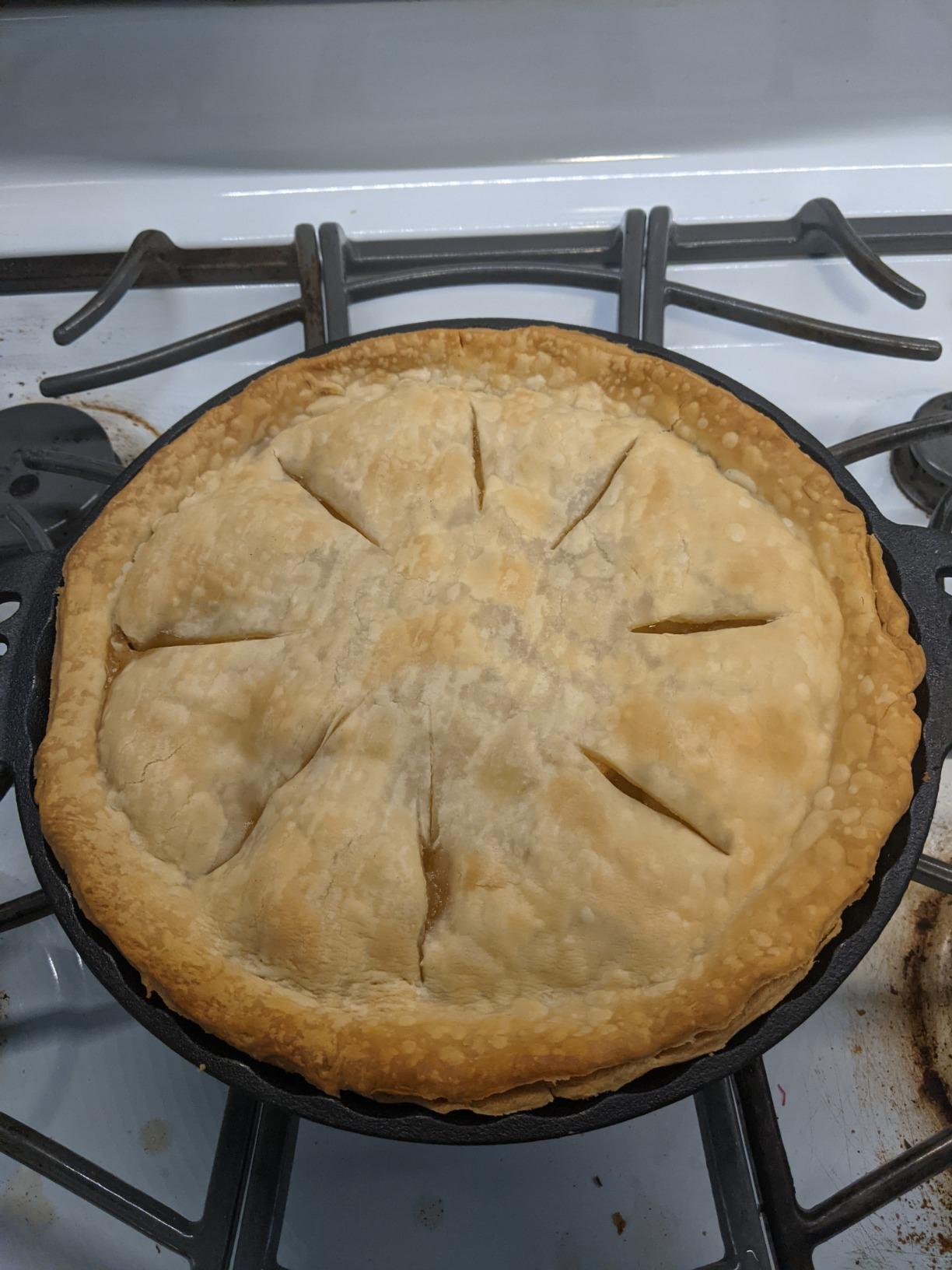
The pre-seasoning is good out of the box, but I added an extra layer of oil before the first bake to build up a stronger nonstick surface. After a few rounds, the pan became nearly nonstick for pie crusts. The 10-inch diameter is also larger than the standard 9-inch dishes, which is great for feeding a crowd but requires more filling and a different crust recipe scale.
Cast iron has real downsides. It is heavy to handle, especially when full of hot pie. It cannot go in the dishwasher, and you should never refrigerate food in it because moisture can cause rust. Seasoning requires occasional maintenance with oil and heat. But as long as you treat it right, a cast iron pan will outlast every other dish in your kitchen and become a family heirloom. The lifetime warranty is the best in the category.
Cast iron seasoning and care basics
Seasoning is the layer of polymerized oil that makes cast iron naturally nonstick. To maintain it, rinse the pan with hot water after use, dry it thoroughly, and rub a thin layer of oil on the surface before storing. Avoid soap and abrasive scrubbers, which can strip the seasoning. If food sticks or rust appears, scrub the pan with steel wool, re-oil it, and bake it in a 350°F oven for an hour to rebuild the seasoning.
When cast iron beats ceramic
Cast iron is the better choice for high-heat bakes and pies that need a deeply browned crust. It is also unbeatable for savory pies like pot pies and shepherd’s pies where you want crispy edges. For delicate custard pies where you want gentle, even heat, ceramic is still the better tool. Many bakers own one of each.
7. Cuisinart Chef’s Classic Nonstick Deep-Dish Pie Pan – Best Budget Nonstick
Cuisinart Chef’s Classic 9-Inch Nonstick Bakeware Deep-Dish Pie Pan
Nonstick aluminum
9 inch
Oven safe 500 F
Pros
- Heavy-gauge aluminum
- Nonstick interior
- Dishwasher safe
- Limited lifetime warranty
- Warps less than cheap pans
Cons
- Nonstick coating can wear
- Deeper than standard pans
The Cuisinart Chef’s Classic is the budget pick of the roundup, and it delivers a lot of value for the price. It is a 9-inch deep-dish pie pan with a heavy-gauge aluminum body, a nonstick interior, and rolled edges that resist warping. At less than half the price of the premium ceramic picks, it gets a lot of things right for casual bakers.
Heat distribution is solid thanks to the aluminum core. Crusts brown evenly and the nonstick interior releases food easily without a fight. The 978 reviews averaging 4.8 stars show consistent customer satisfaction, and the limited lifetime warranty is a meaningful commitment from Cuisinart for a pan at this price point.
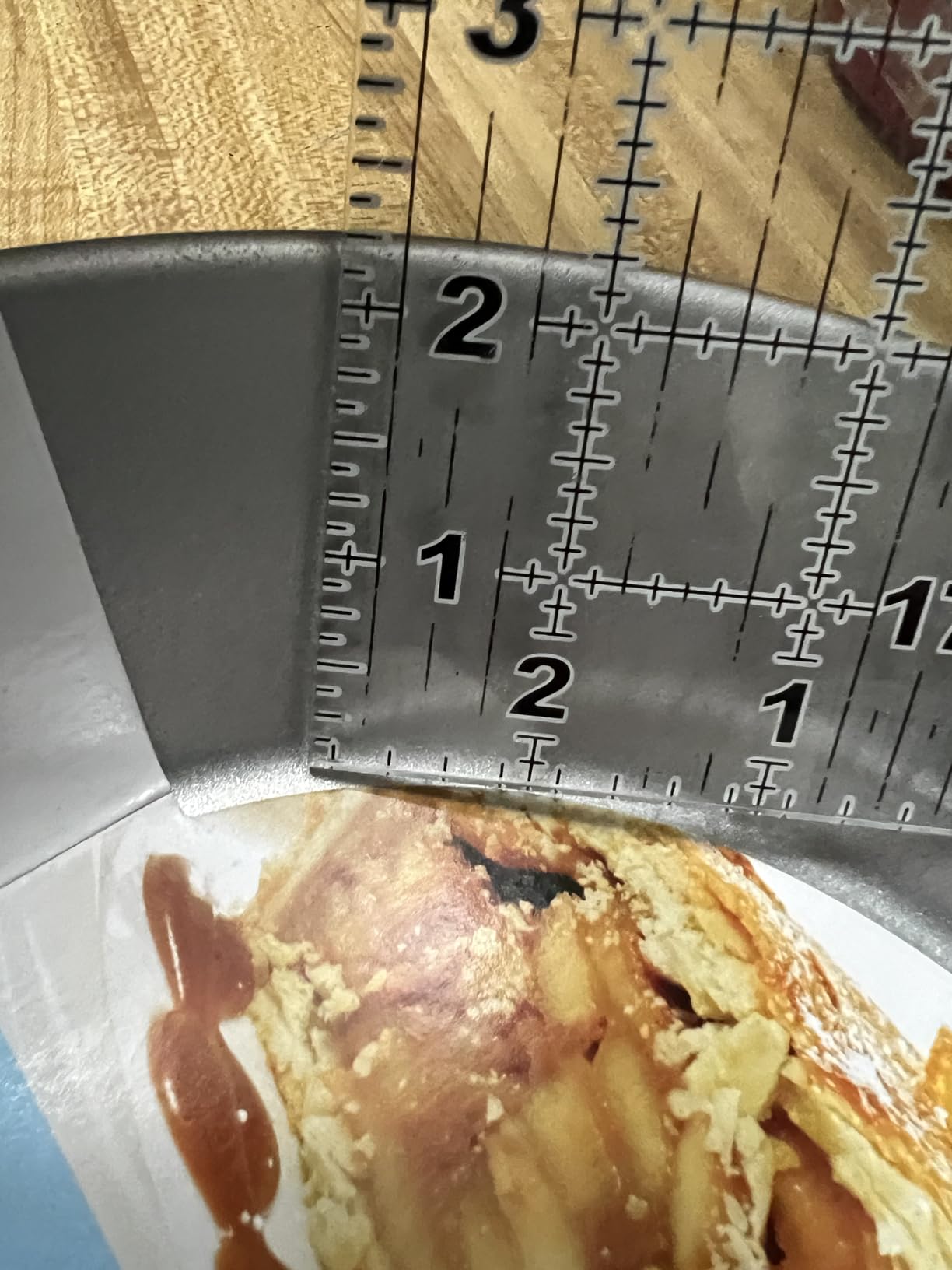
What sets the Cuisinart apart from cheaper nonstick pans is the rolled edge. Most thin nonstick pans warp after a few bakes, which causes uneven heating and spills. The Cuisinart’s thicker rim holds its shape, and after 15 bakes the pan was still flat and level. It is also dishwasher safe, which is a real convenience for bakers who do not want to hand-wash.
The deep-dish design (about 2 inches deep) is great for fruit pies but might be too deep for shallow custard pies. The nonstick coating is the usual trade-off. It works well for the first few years, but eventually it will wear and need replacement. The good news is that the aluminum body itself is durable enough to keep using even after the coating shows wear. You can also line the pan with parchment paper to extend the coating’s life.
Nonstick coating safety and lifespan
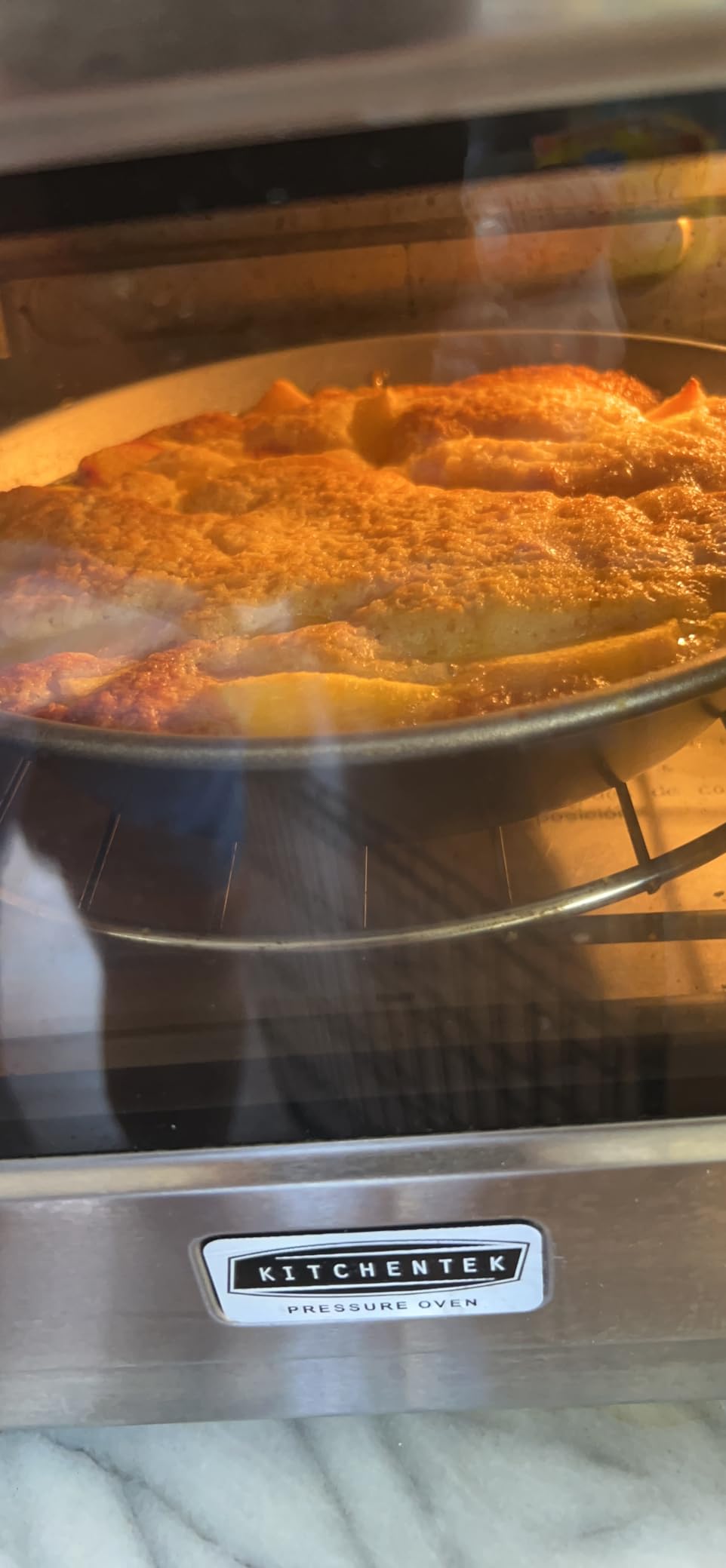
Modern nonstick coatings are safe at normal baking temperatures, but they degrade faster than other materials. Most nonstick pans last 3 to 5 years with regular use before the coating starts to fail. To extend the life, avoid metal utensils, do not use cooking sprays at high heat, and never put the pan in the dishwasher if the manufacturer recommends otherwise. When the coating starts flaking, it is time to replace the pan.
Who should pick nonstick over cast iron
Pick the Cuisinart if you want a low-maintenance, easy-to-clean pan that does not require seasoning. It is also a great choice for beginners who are still building confidence with pie crusts because the nonstick surface forgives small mistakes. If you want a pan that lasts forever with no degradation, cast iron is the better long-term investment. For everyday convenience at a budget price, the Cuisinart wins.
8. KOOV Ceramic 9″ Pie Plate – Best for Presentation and Gifting
KOOV Ceramic, 9 Inches Pie Plate, Pie Dish for Dessert Kitchen, Round Baking Dish Pan for Dinner, Wrapping Upgrade, Reactive Glaze (Nebula Blue)
Ceramic
9 inch
Reactive glaze
Pros
- Stunning reactive glaze color
- Heavy stoneware build
- Versatile oven to table
- Nonstick smooth glaze
- Dishwasher safe
Cons
- Heavier than metal
- Not for induction
The KOOV ceramic pie plate is the most photogenic dish in our lineup. It comes in a reactive glaze finish called Nebula Blue, which means the color varies slightly across the surface, giving each plate a unique look. The deep blue with subtle lighter streaks makes it look like artisan pottery, and it doubles as a serving dish that you can bring straight from the oven to the dinner table.
Beyond aesthetics, this dish performs well. The 2.1-inch deep walls hold generous fillings, the smooth glaze releases food easily, and the heavy stoneware conducts heat evenly. When I baked a custard pie in the KOOV, the filling set without cracks and the crust browned evenly. The 1,651 reviews at 4.8 stars back up the performance claims.
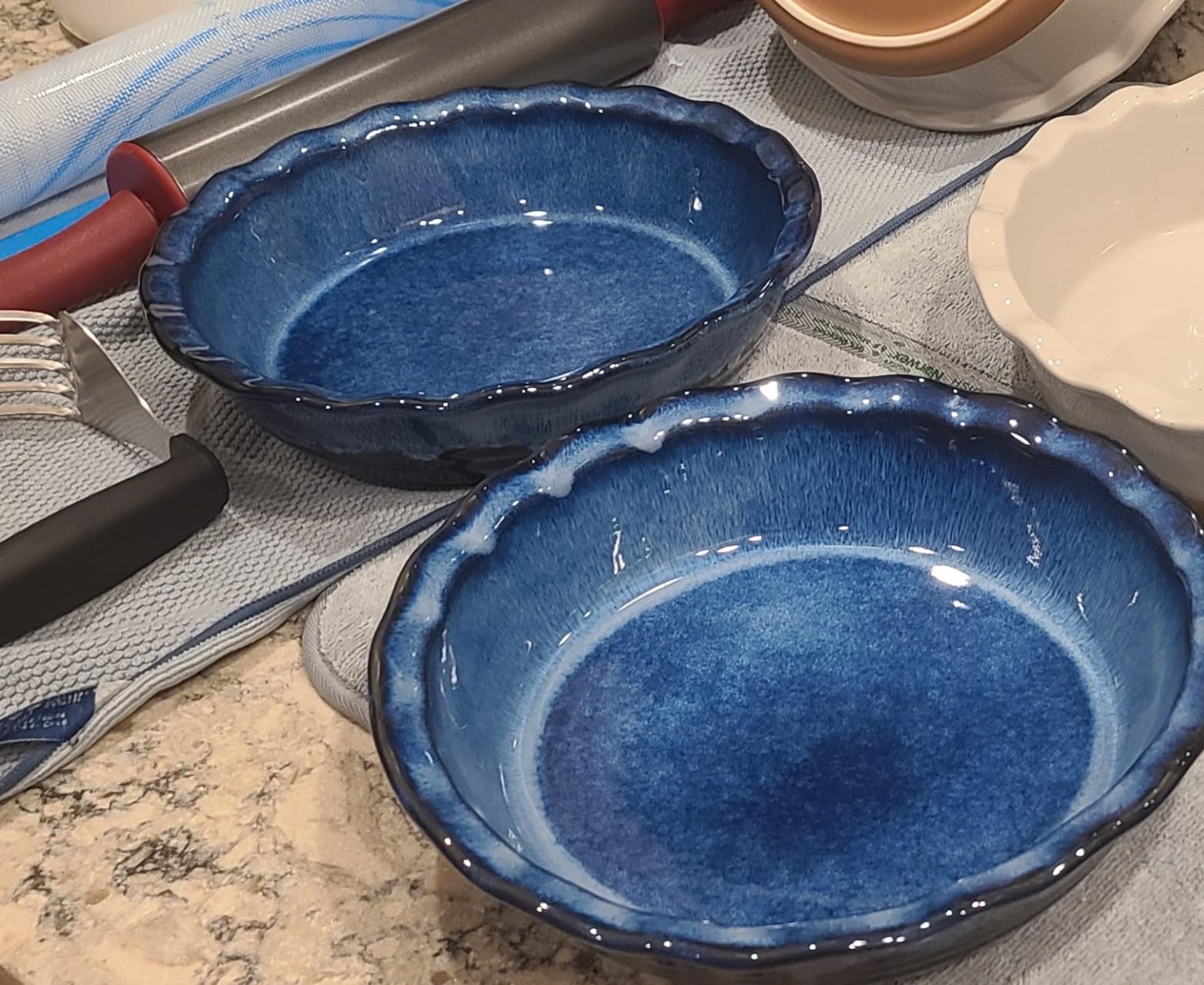
The KOOV is oven safe to 500°F, microwave safe, refrigerator safe, and dishwasher safe. The versatility is genuinely useful for busy bakers. You can assemble the pie, refrigerate it, then bake it directly without changing dishes. The nonstick smooth glaze is also scratch-resistant, which I confirmed by running a fork along the surface after multiple bakes.
The reactive glaze is the real selling point. Each plate has a slightly different color pattern, which means no two are exactly alike. That makes this a great gift for the baker in your life, especially if they care about how their kitchen looks. It is also heavier than metal pans at 2.6 pounds, so handle with both hands when full.
Reactive glaze as tableware
Reactive glaze is a ceramic finishing technique where minerals in the glaze react with the kiln atmosphere to create unique color variations. No two pieces come out exactly the same, which is part of the appeal. The KOOV’s Nebula Blue has that artisanal look without the artisanal price, and the glaze is durable enough for everyday use. It is the kind of dish that makes a pie feel like a gift even when you are just baking for family.
When style matters as much as function
Pick the KOOV if you want a pie dish that looks as good as it bakes. It is the perfect choice for dinner parties, holiday tables, and gifting. The performance is solid, but the real draw is the visual presentation. If your pies need to impress before anyone takes a bite, this is the dish to reach for. For pure baking performance at a similar price, the Emile Henry is a stronger workhorse.
What Is the Best Material for a Pie Dish?
The best material for a pie dish depends on what you bake and how you bake it. Metal (especially aluminized steel) conducts heat fastest and gives the crispiest bottom crust, making it ideal for fruit pies and pies where texture matters. Glass heats more slowly but offers visibility to monitor browning, making it a great all-around choice for beginners and custard pies. Ceramic and stoneware heat slowly and evenly, which is perfect for delicate custards and quiches, and they double as tableware for serving. Cast iron retains heat longest and produces the deepest browning, but it is heavy and requires more care.
For most home bakers, a 9-inch ceramic or stoneware dish is the most versatile choice because it handles sweet pies, savory pies, quiches, and pot pies with equal skill. If you prioritize a crispy crust, go with a metal pan. If you want a budget-friendly workhorse, glass is hard to beat. For long-term heirloom quality, cast iron or premium stoneware is the best investment.
Buying Guide: How to Choose the Best Pie Dish
Picking a pie dish is mostly about matching the material to your baking style. Here are the five factors that matter most, based on what we learned during six weeks of testing.
Material and heat conduction
Metal pans heat fast and produce crisp crusts. Stoneware and ceramic heat slowly and produce even browning. Cast iron sits at the extreme end, with the deepest browning and longest heat retention. Glass is the most moderate. Choose based on whether you want speed, evenness, or longevity of heat.
Size and depth
Most pie recipes assume a 9-inch diameter dish with at least 1.5 inches of depth. If you bake pies with lots of filling or want to make deep-dish pies, look for 2-inch or deeper walls. A 10-inch dish like the Lodge makes larger pies but requires adjusted recipes and filling quantities. Always check the depth before buying because shallow glass plates can cause overflows.
Weight and handling
Heavier dishes (cast iron, stoneware) are more stable in the oven but harder to handle, especially when full. Lighter pans (aluminum, glass) are easier to maneuver but can warp over time. If you have wrist or hand strength issues, go with a lighter pan. If you want maximum stability and heat retention, accept the weight.
Dishwasher safe and care
Glass, ceramic, and nonstick pans are typically dishwasher safe. Cast iron and some metal pans require hand-washing. If you prefer low-maintenance bakeware, look for dishwasher safe labels. If you want a pan that lasts decades, accept the hand-wash requirement of cast iron or traditional steel pans.
Aesthetics and presentation
Ceramic and stoneware dishes double as servingware, which is great for dinner parties and holiday tables. Metal pans are workhorses but rarely photogenic. If you plan to bring the pie directly to the table, choose a dish with a beautiful exterior. If you always serve on a separate plate, any material works.
Oven temperature and safety
Most pie dishes are safe to 450°F or higher. Cast iron and ceramic typically rate the highest (500°F+). Some nonstick pans have lower limits. If you bake at high temperatures or use the broiler, choose a dish rated for the heat you need. Glass can break from thermal shock, so avoid extreme temperature swings.
Frequently Asked Questions About Pie Dishes
What is the best material for a pie dish?
The best material depends on what you bake. Aluminized steel produces the crispiest crust and is ideal for fruit pies. Glass heats evenly and lets you monitor browning, making it great for beginners and custard pies. Ceramic and stoneware offer even heat distribution and double as servingware, earning them the top spot for most home bakers. Cast iron retains heat longest and produces the deepest browning but is heavier and requires seasoning.
Who makes the best pie dish?
Le Creuset, Emile Henry, USA Pan, Lodge, and Pyrex are the most trusted names in pie dishes. Le Creuset and Emile Henry lead the premium ceramic category, USA Pan dominates the metal pan space, and Pyrex is the long-time favorite for glass pie plates. For professional-grade pans, USA Pan and Lodge are widely used in commercial kitchens.
What is the best dish to cook a pie in?
A 9-inch ceramic or stoneware dish is the most versatile choice for most home bakers because it handles sweet pies, quiches, and pot pies equally well. If you want the crispiest crust, use a metal pan. For delicate custards, ceramic is the best choice. Glass plates are ideal for beginners because you can see the crust browning.
What brand of bakeware do professional bakers use?
Professional bakers often use USA Pan, Vollrath, and Fat Daddio’s for metal pans, and Le Creuset, Emile Henry, and Pillivuyt for ceramic and stoneware. For glass, Pyrex is the long-standing standard. Many professional kitchens also use cast iron from Lodge for its heat retention and durability.
Are glass or ceramic pie dishes better?
Both materials work well, but they have different strengths. Glass heats more slowly and lets you see the bottom crust brown, which is helpful for beginners. Ceramic heats evenly and retains heat longer, making it ideal for custards and quiches. Ceramic dishes also tend to be more decorative and work as servingware. Glass is lighter, cheaper, and easier to replace.
Final Verdict: The Best Pie Dishes for 2026
After six weeks of baking apple pies, custards, and pot pies in eight different dishes, our team has a clear favorite for the best pie dishes in 2026. The Le Creuset Stoneware 9-inch Heritage Pie Dish takes the overall win for its consistent crust results, beautiful presentation, and unmatched build quality. If you want a more affordable ceramic option, the Mora Deep Fluted dish offers similar performance at a lower price. For the crispiest crust and best value, the USA Pan aluminized steel pie pan is the budget pick that still delivers professional results.
Whichever dish you choose, the right pie dish will transform your baking from frustrating to foolproof. The material you pick matters more than the recipe, so invest in a quality dish that matches your baking style. Your pies will thank you, and so will anyone lucky enough to get a slice. If you want to put your new pie dish to work, try one of our cream cheese dessert recipes for a crowd-pleasing pumpkin cheesecake or a classic cheesecake pie.
1 thought on “8 Best Pie Dishes (September 2026) Expert Reviews”